

EU import & compliance
Clarity in a regulated landscape.
EU import involves strict rules around import duties, VAT, origin, documentation and permits. We guide companies through the full EU import and compliance process, bringing structure where complexity usually takes over.
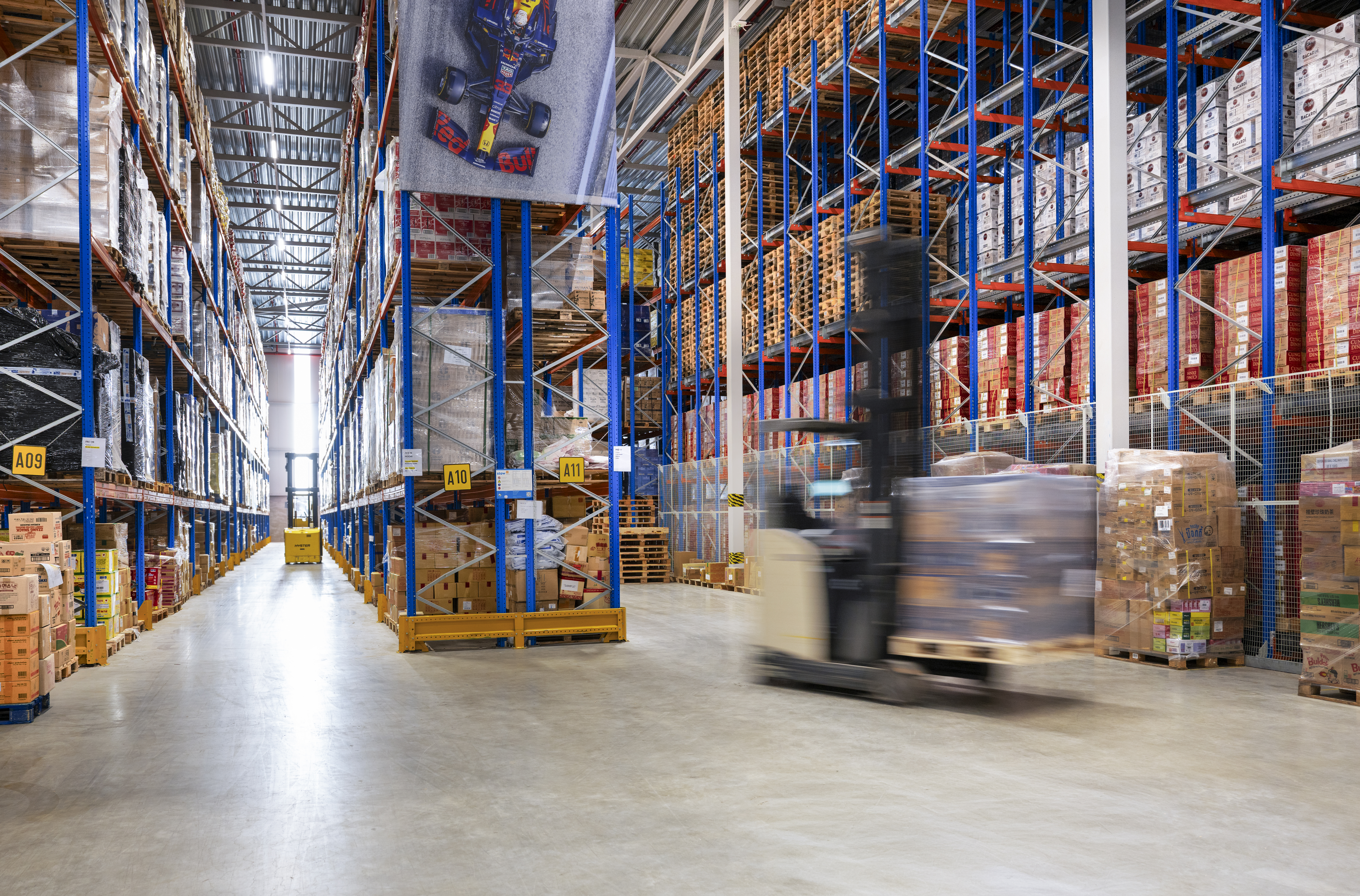

EU import managed as one integrated process
- Proactive guidance on EU rules
- One clear owner for your EU import
- Practical, regulation-ready advice
EU import requires clear oversight once goods cross the European border. Regulations differ depending on origin, product classification, customs value and final destination. Questions around import duties, VAT on imports from outside the EU and required documentation often arise when processes and responsibilities intersect.
In practice, small inconsistencies can quickly have an impact. Incorrect HS codes, unclear origin, missing Article 23 arrangements or incomplete declarations can lead to delays or additional costs. By aligning customs declarations, fiscal rules and transport within one flow, EU import remains structured, predictable and under control.


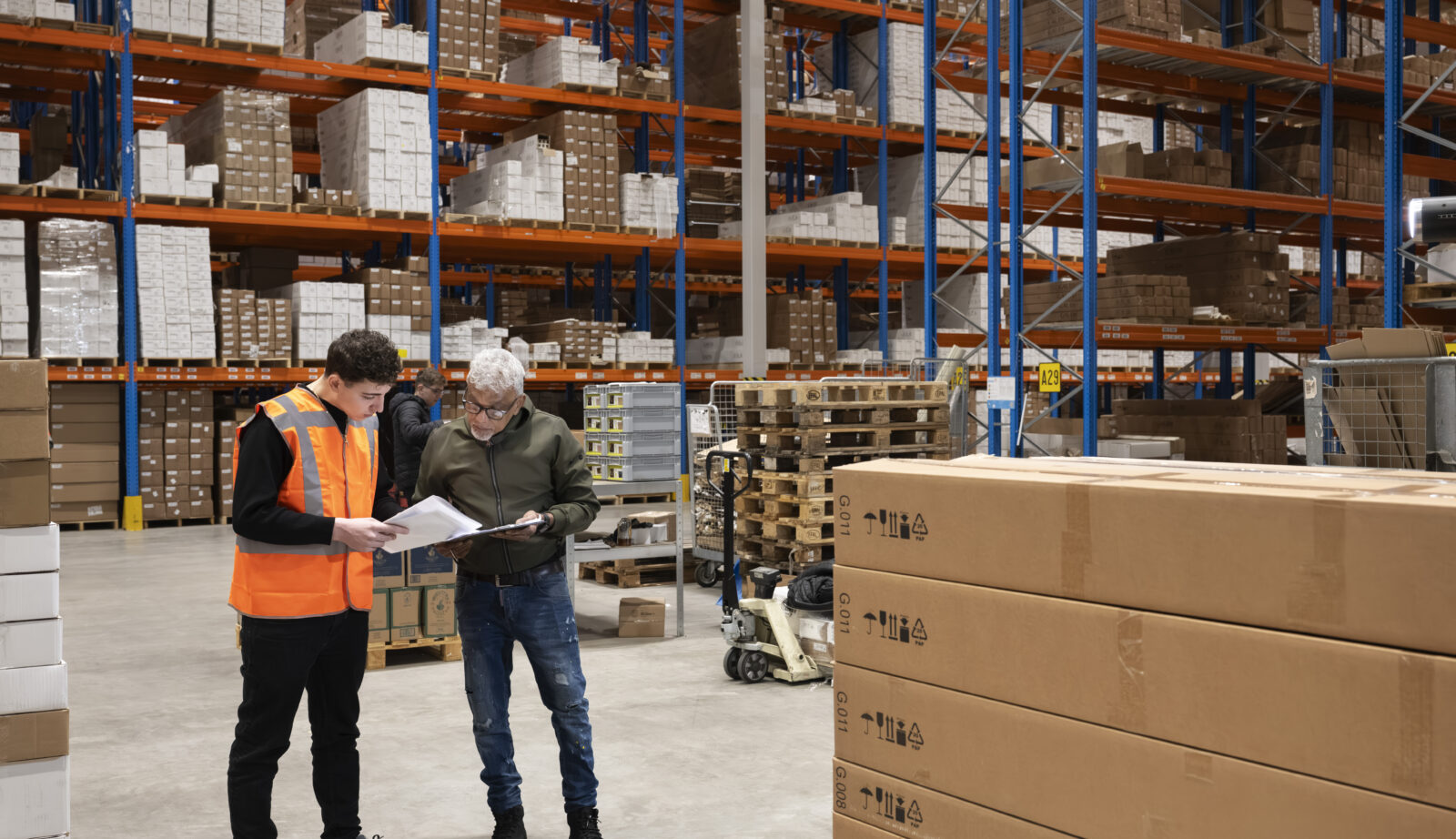

We coordinate every import movement

EU import & compliance, explained
Straight answers from our specialists, based on daily EU import and compliance practice.
Do I need to pay VAT when importing goods into the EU?
In most cases, VAT is due at the moment of import. The exact treatment depends on the country of entry, the transaction structure and whether facilities such as deferred VAT schemes apply. We assess how EU import VAT applies to your setup and structure it correctly.
How are customs costs calculated for EU imports?
Import duties are based on tariff classification, customs value, origin and applicable EU import duties. Additional costs may apply depending on the goods and route. We explain how customs fees are calculated and ensure they are applied correctly within the declaration.
Why does my shipment get stuck at customs?
Delays are often caused by incorrect HS codes, missing origin documentation, incomplete declarations or unclear responsibility. By preparing documentation and compliance upfront, we prevent shipments from being held unnecessarily.
When do I need a certificate of origin or EUR.1 document?
Certificates of origin and EUR.1 documents are required when preferential duty rates apply under trade agreements. We determine when these documents are needed and ensure they are issued and used correctly.
Do I pay import duties if goods enter the EU via the Netherlands but move to another EU country?
Import duties are typically paid at the first point of entry into the EU. VAT treatment may differ depending on the structure of the transaction and the destination country. We help structure this correctly to avoid double charges or compliance gaps.
What does a full-service EU import partner manage for me?
A full-service partner coordinates customs declarations, import duties, VAT, fiscal representation and logistics as one process. This reduces handovers, prevents errors and provides clear accountability across the entire import flow.

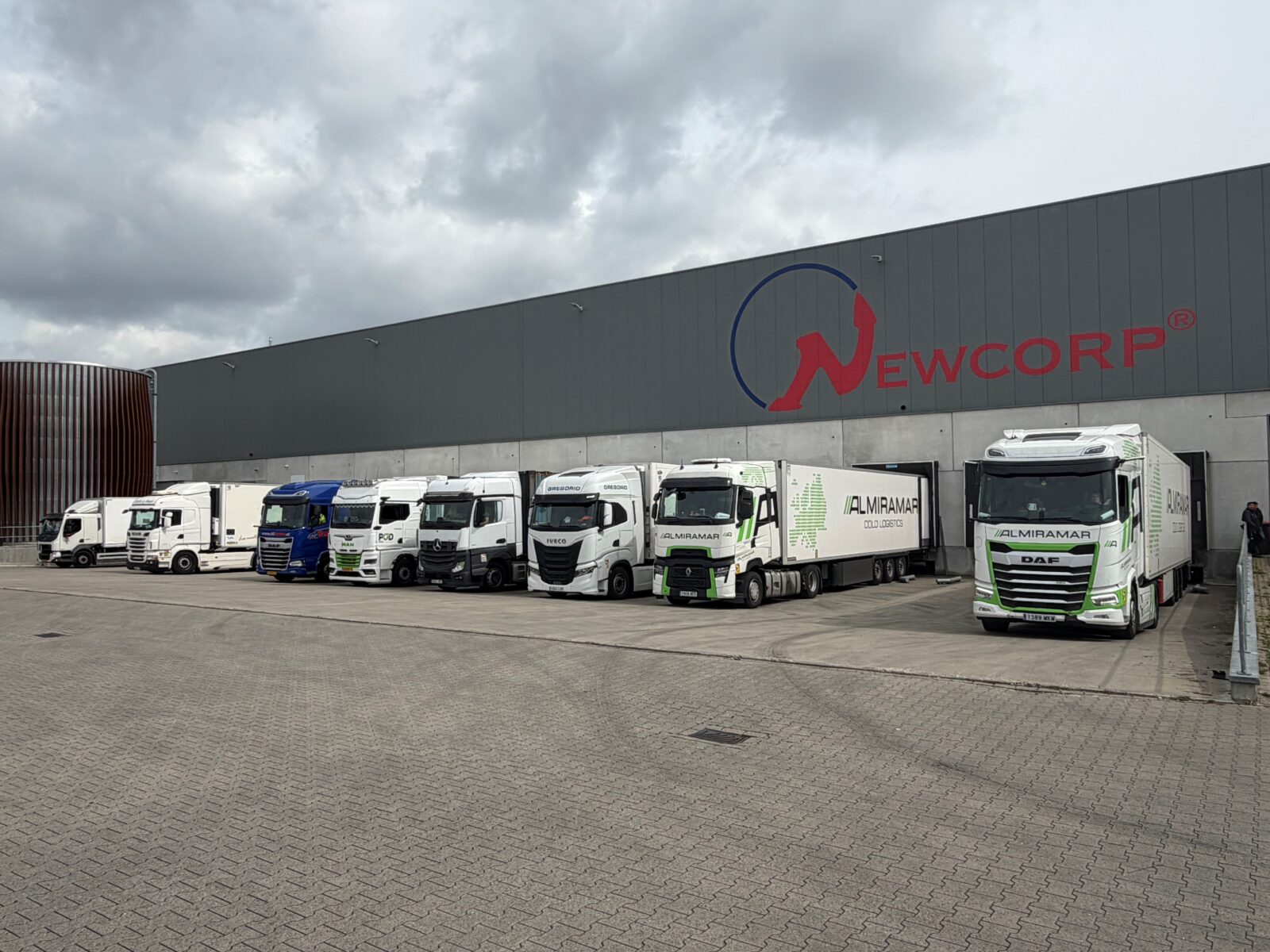
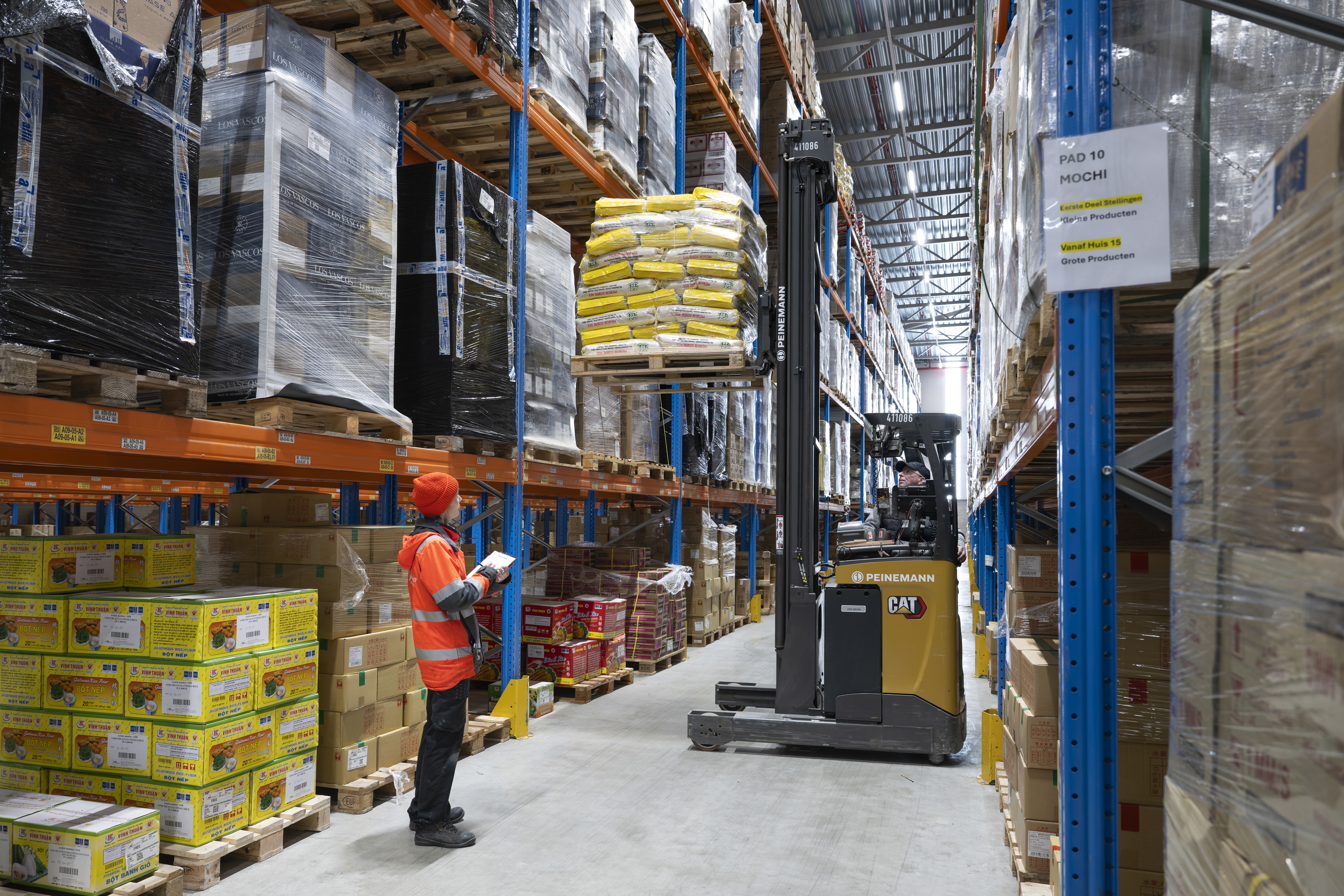
One partner for EU import & compliance

Discuss your EU import situation with our specialists and see how customs, VAT and compliance come together in one clear setup.
Want to know how we work?
Explore our sectors and solutions or get in touch for practical, personal advice.


