

Fiscal representation with clear responsibility
From VAT obligations to compliant reporting.
We provide fiscal representation as part of a controlled customs and logistics setup. One fiscal representative, clear responsibility across borders.


When VAT compliance becomes a structural challenge
Fiscal representation becomes essential when companies operate across borders without a local legal presence. VAT registration, reporting obligations and liability rules differ per country, while transactions often move faster than the administrative framework around them. Without the right setup, VAT compliance can quickly become fragmented and risky.
From experience, we know that fiscal representation only works when it is embedded in the wider logistics and customs process. By managing VAT obligations, customs alignment and reporting under one roof, we create clarity and continuity for international operations.





Fiscal representation for international trade flows
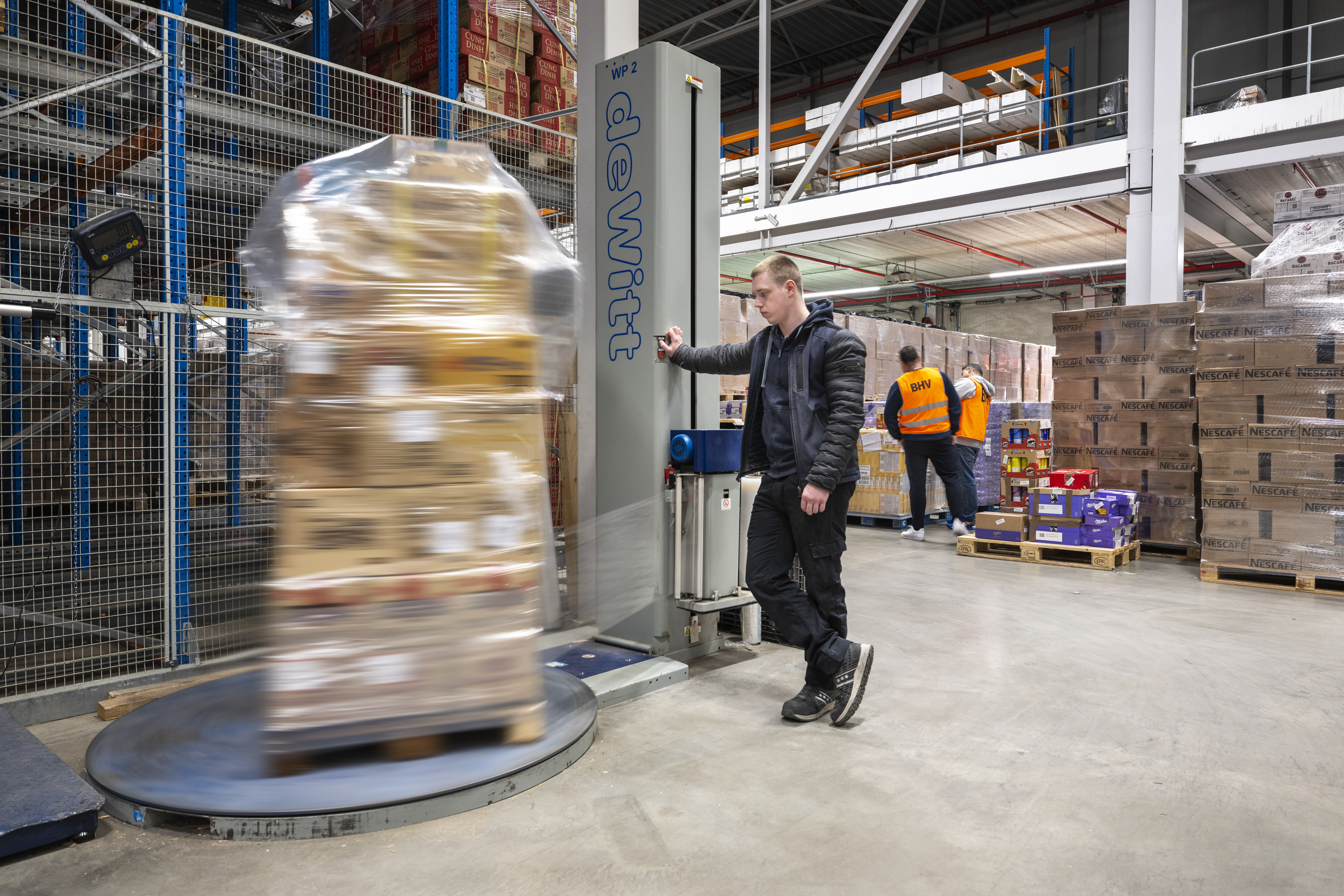
We act as fiscal representative for companies importing, storing or distributing goods within the EU. Fiscal representation is aligned with customs clearance, warehousing and onward transport, ensuring VAT treatment follows the physical flow of goods. As a fiscal representative, we support both general fiscal representation and VAT representation structures, depending on the client’s operational and regulatory needs. This allows international businesses to operate in the EU without establishing a local entity, while remaining fully compliant.
One fiscal representative for VAT and customs alignment
As a fiscal representative, we take responsibility for VAT registration, reporting and alignment with customs procedures. This includes handling VAT obligations related to import, storage and distribution within the EU. Fiscal representation is never handled in isolation. By aligning VAT representation with customs declarations and logistics execution, we prevent mismatches between fiscal reporting and physical goods movements. This reduces risk and supports predictable operations.
Clear responsibility across fiscal operations
Inhouse
Fiscal representation is handled by specialists aligned with customs and logistics operations.
Dedicated point of contact
One fixed contact person oversees fiscal representation, reporting and coordination with authorities.
One fiscal partner
VAT representation, customs and logistics are managed within one coordinated setup.
Understanding your VAT position
We review your business model, goods flow, countries involved and transaction structure to determine where VAT obligations arise.

Structuring fiscal representation
Based on this, we set up the appropriate form of fiscal representation, including VAT registration, Article 23 applicability and reporting requirements.

Aligned VAT and customs data
VAT reporting, customs declarations and transaction documentation are aligned to ensure consistency and prevent discrepancies.

VAT compliance with oversight
VAT returns and obligations are managed accurately and on time, with clear communication and control over liabilities and reporting.
One partner for your fiscal representation
Discuss your VAT and fiscal situation with our specialists and see how fiscal representation fits into one controlled logistics setup.

Do you have any questions for us?
Call us directly +31 85 210 2240 or message us at customs@newcorplogistics.nl
Fiscal representation, explained
Clear answers to common fiscal questions, based on daily international trade practice.
What does a fiscal representative do?
A fiscal representative acts on behalf of a foreign company for VAT purposes within a specific country. This includes VAT registration, reporting and compliance with local tax authorities. At Newcorp, fiscal representation is aligned with customs and logistics, ensuring VAT obligations match the actual movement of goods.
What is the difference between general fiscal representation and VAT representation?
General fiscal representation involves broader responsibility and liability for VAT obligations, often required when goods are imported and distributed locally. VAT representation can be more limited, depending on transaction structure and local regulations. We assess which form of fiscal representation fits your operation and risk profile.
When is fiscal representation required?
Fiscal representation is typically required when a company imports goods into the EU, stores inventory locally or sells goods within a country without having a legal establishment there. We help determine when fiscal representation is mandatory and how it should be structured.
How is fiscal representation connected to customs clearance?
VAT obligations often arise at the moment of import or release of goods. By aligning fiscal representation with customs clearance, we ensure VAT reporting corresponds with customs declarations, preventing discrepancies and compliance issues.
Can fiscal representation be combined with warehousing and distribution?
Yes. Fiscal representation is most effective when combined with warehousing, bonded storage and distribution. This allows VAT treatment to follow inventory movements and outbound deliveries accurately.