Export declarations handled with certainty
From EU exit to compliant release.
We manage export declarations as part of a controlled customs and logistics setup. One partner, clear responsibility from departure to border exit.

When export clearance determines continuity
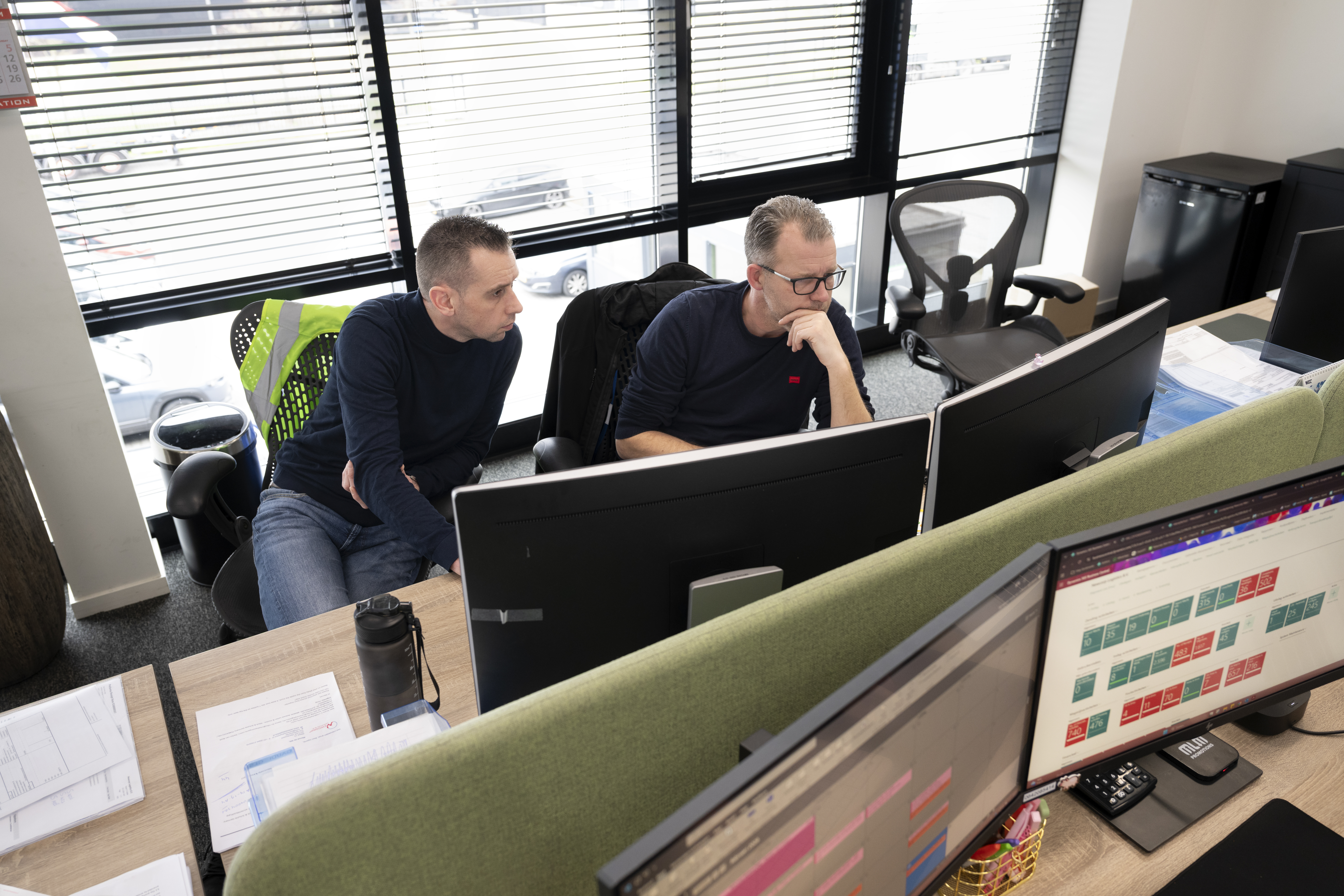
Export clearance is the final checkpoint before goods leave the EU. Incorrect data, missing export documentation or incomplete customs filings can delay departure, disrupt delivery schedules or block shipments entirely. Once goods are stopped at export, timelines become uncertain and downstream commitments are at risk.
From experience, we know that reliable export customs clearance depends on accuracy and coordination. By managing export declarations, customs documentation and compliance in-house, we ensure that export processes remain aligned with EU regulations and logistics planning. This keeps outbound flows predictable and controlled.

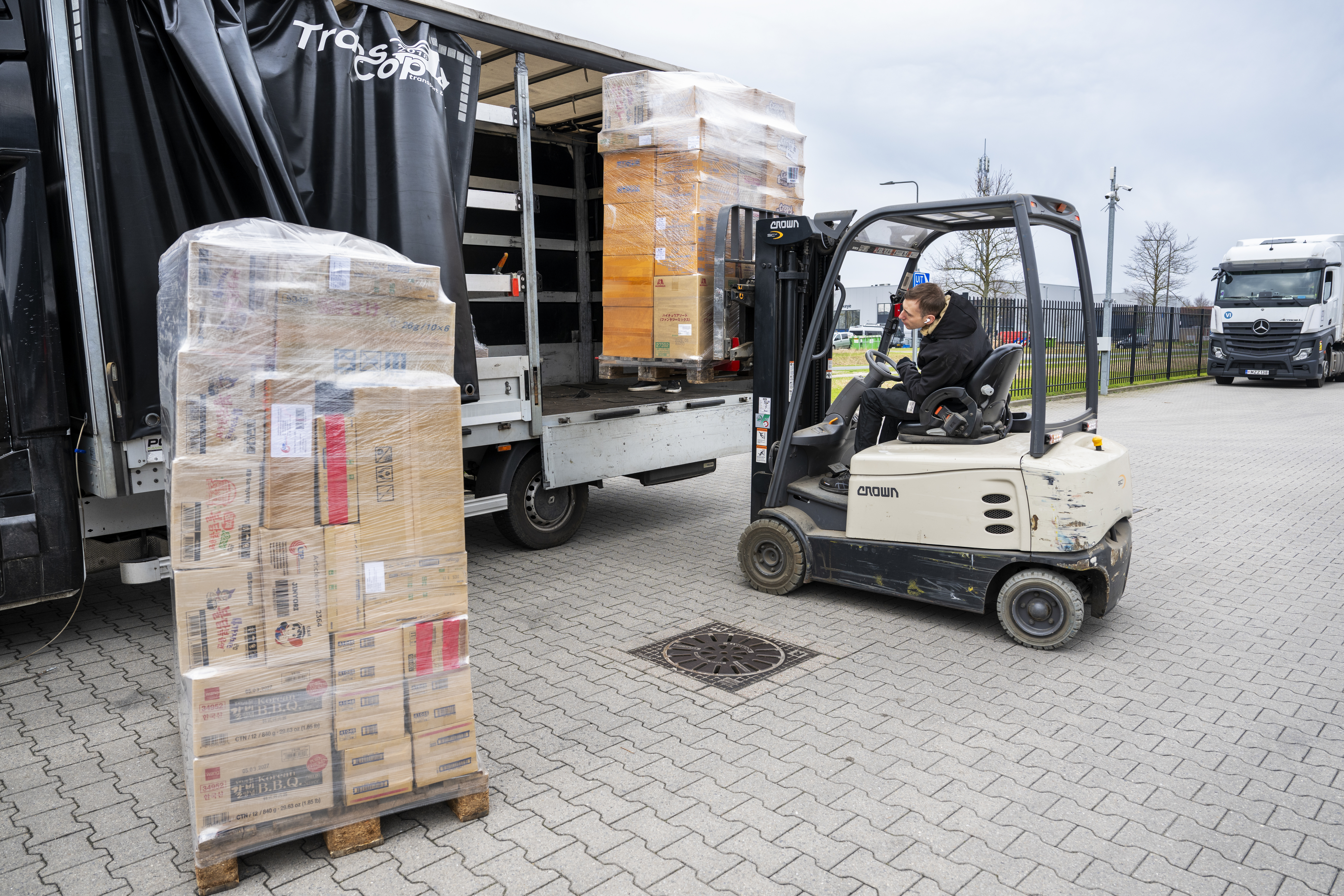




Export declarations as part of the customs setup

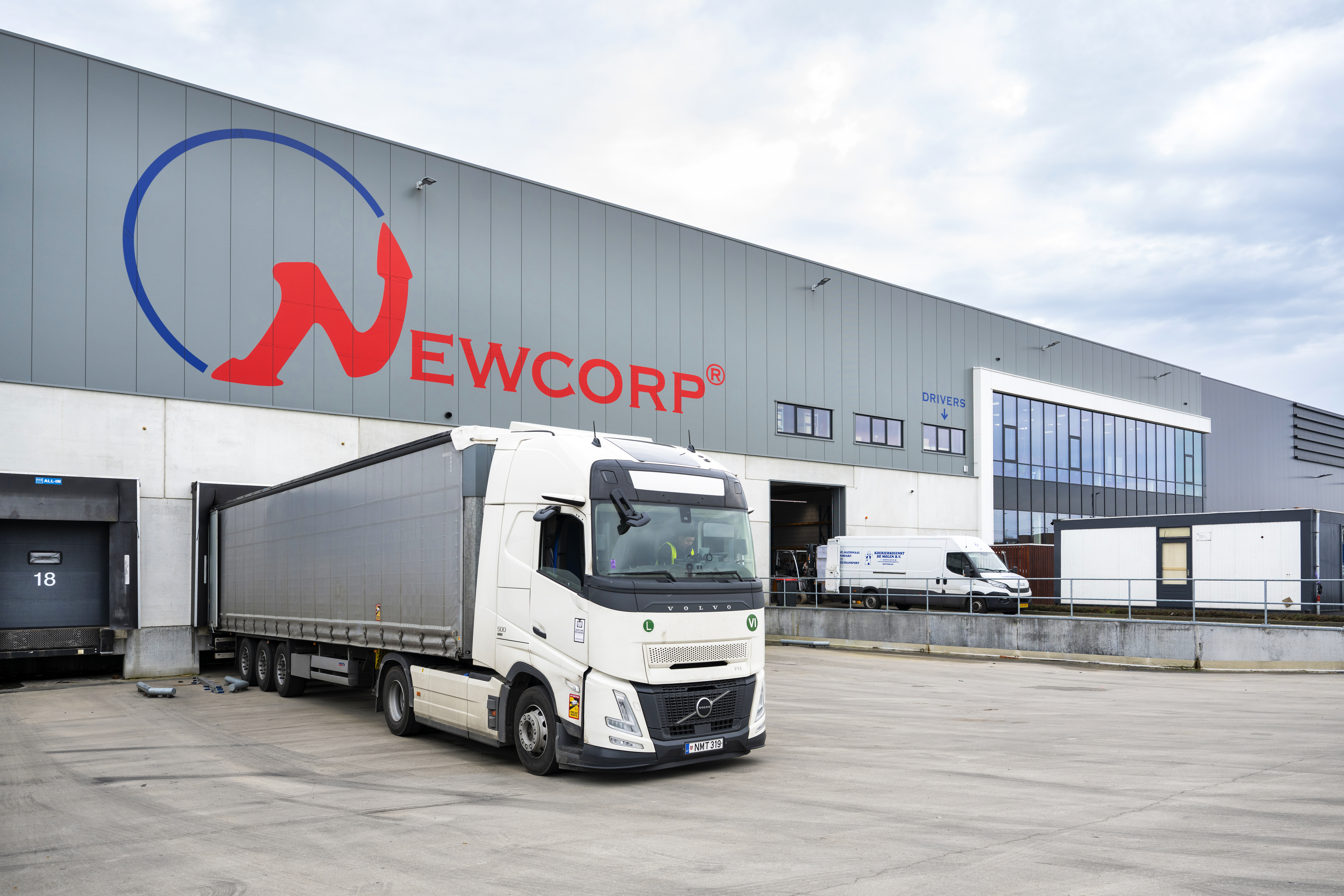
Export customs clearance at EU exit points
We manage export customs clearance for goods leaving the EU via major ports, terminals and border crossings, including export flows routed through the port of Rotterdam. Export declarations are coordinated with transport schedules and handover points to ensure smooth departure after customs release. Export clearance is handled as part of the outbound logistics flow, not as a standalone administrative action. This alignment prevents last-minute interventions and supports timely EU exit.
Export declarations and documents under one responsibility
As a customs broker, we prepare export declarations based on correct goods classification, destination, customs procedure and regulatory requirements. This ensures compliance with EU export regulations and supports a complete export customs clearance process. Export customs clearance often requires additional documentation, such as a certificate of origin or supporting trade documents. By managing export declarations and related documentation within one setup, we maintain consistency across filings and reduce the risk of discrepancies at exit or destination.
Clear responsibility across export operations
Inhouse
All export declarations are prepared and submitted by our own customs specialists.
Dedicated point of contact
One fixed contact person oversees export declarations, customs status and communication with authorities.
One customs partner
Export clearance, documentation and coordination are managed within one setup.
Understanding your customs flow
We review your goods, origins, destinations, Incoterms and compliance requirements to understand where customs obligations apply.
Structuring the customs approach
Based on this, we determine the correct customs setup, including import, export or transit declarations, tariff classification and required documentation.
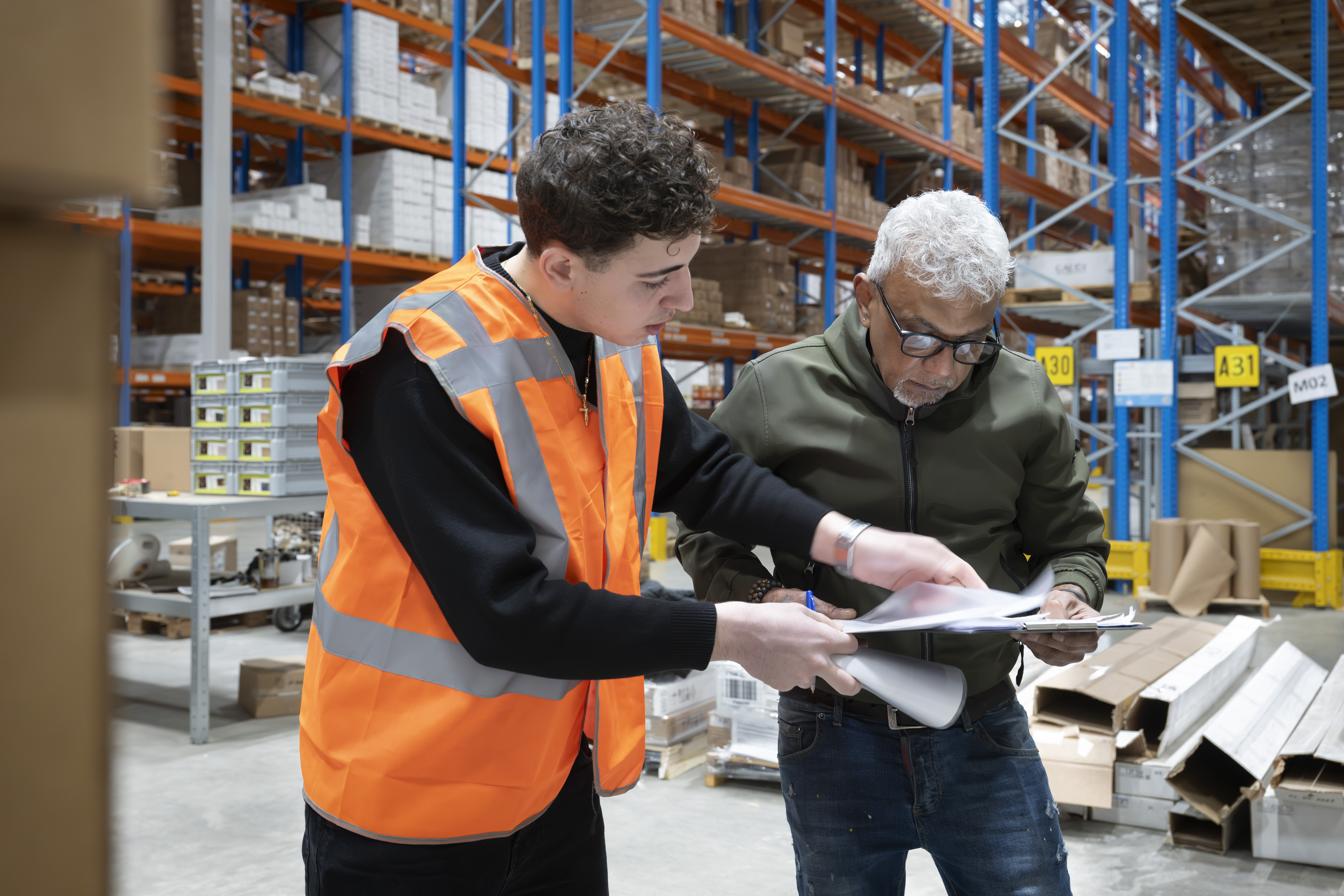
Aligned declarations and documentation
Customs declarations, supporting documents and communication with authorities are coordinated as one process, aligned with transport and logistics planning.
Clearance with control
Declarations are submitted accurately and on time, with clear status updates and oversight until goods are released or moved onward.
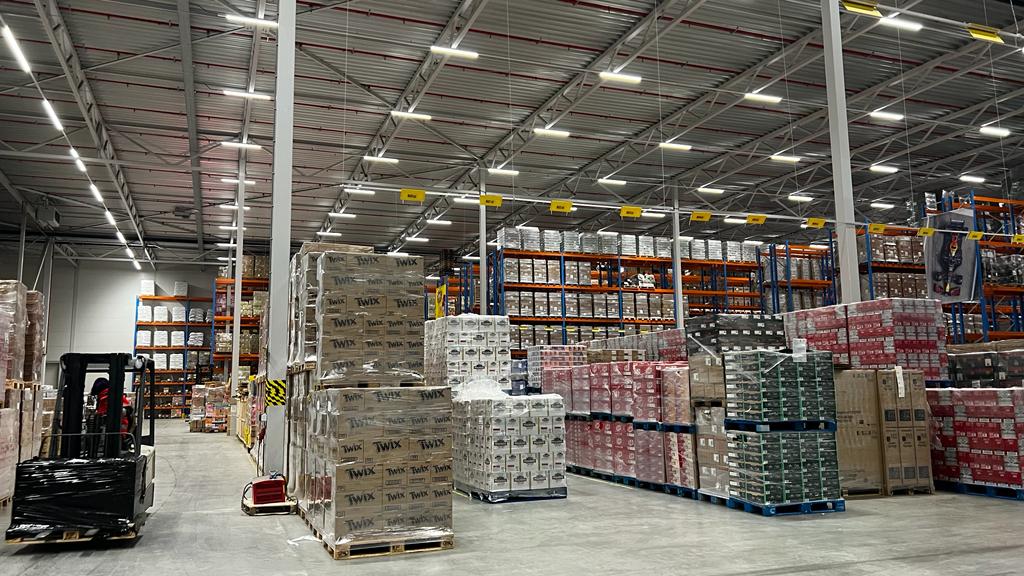
One partner for your export customs clearance
Discuss your export situation with our specialists and see how export declarations fit into one controlled customs setup.

Do you have any questions for us?
Call us directly +31 85 210 2240 or message us at customs@newcorplogistics.nl.
Export declarations, explained
Clear answers to common export questions, based on daily customs practice.
What makes Newcorp an expert in export customs clearance?
Newcorp manages export declarations inhouse as part of an integrated customs setup. Export clearance is aligned with transport planning and downstream logistics, ensuring declarations support timely EU exit rather than delaying it.
What is involved in export customs clearance complete?
Export customs clearance complete includes the preparation of export declarations, validation of customs procedures, and alignment of all required documentation. This may include certificates of origin and other supporting documents depending on destination and trade requirements.
When is a certificate of origin required?
A certificate of origin may be required to confirm where goods are produced, often for trade agreements, customs duties or destination country regulations. We assess when a certificate of origin is needed and ensure it aligns with the export declaration.
Can export declarations be combined with import and transit processes?
Yes. Export declarations are aligned with import and transit declarations within one customs setup. This ensures consistency across cross-border movements and prevents compliance gaps.