About Newcorp
Structured control in European logistics
Newcorp is built around one principle: logistics, customs and compliance should never operate separately. They must function as one structured process.

Why companies choose Newcorp
Our clients are not looking for a transporter. They are looking for control. International companies entering the EU need clarity on customs procedures, VAT structures and distribution across Europe. They want more oversight and fewer separate parties each managing a different part of the process.
When different parties handle transport, customs and storage separately, small misalignments quickly become delays or unnecessary costs. We operate differently. One team coordinates the full flow. One structure connects every step.
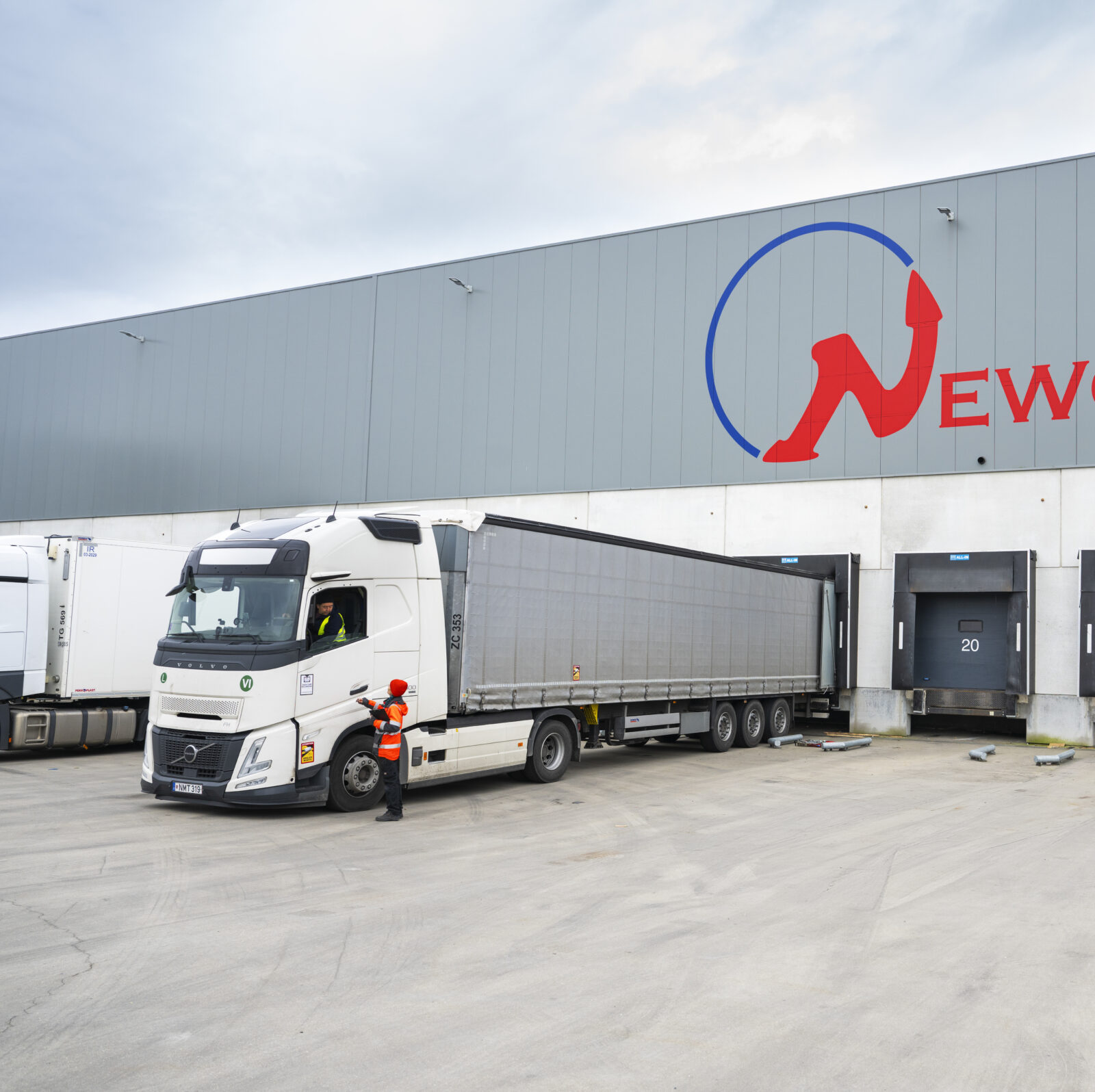



One integrated responsibility

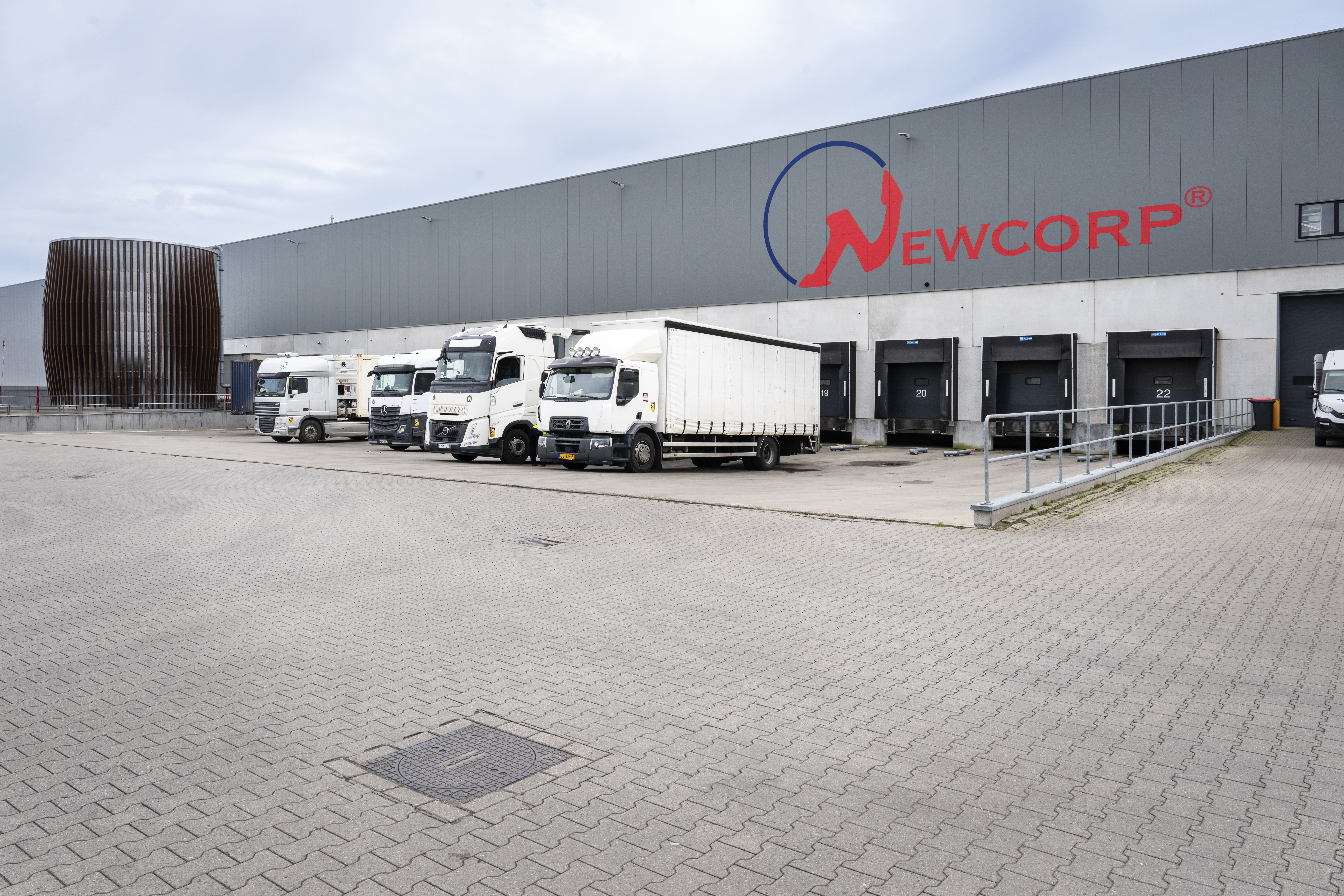
Rotterdam as strategic foundation
Our operations are based in Rotterdam, Europe’s main logistics gateway. From here, goods enter the EU, move under bonded procedures or continue distribution across member states. Location supports speed, but structure ensures control. Warehousing, transport and customs supervision operate within one coordinated framework, aligned from arrival to final delivery.
Responsibility, verified
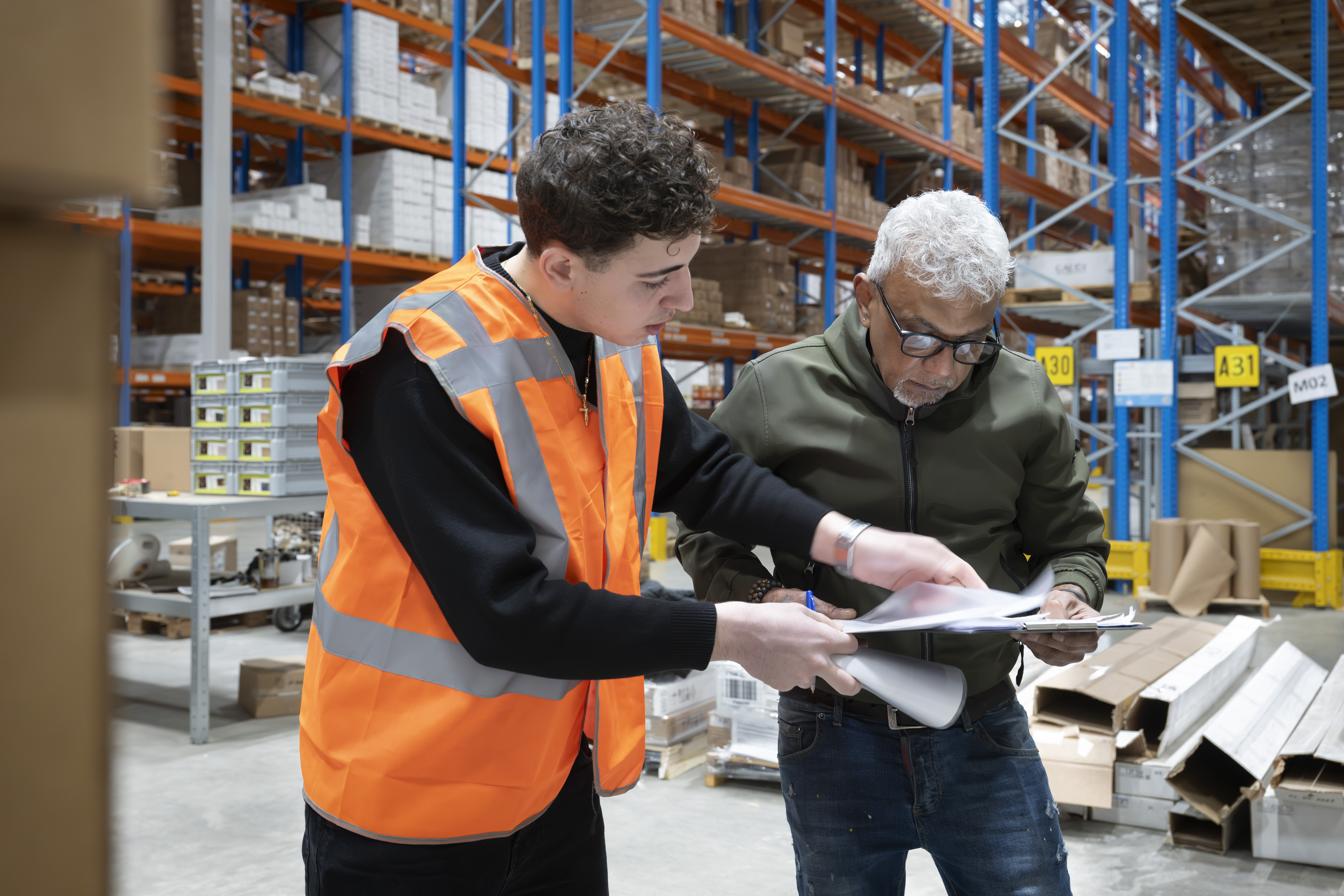
Clients work with one dedicated point of contact who understands their full operation and carries responsibility from start to finish. We are not a fragmented corporate structure, but one coordinated team. Our AEO certification, customs license and excise permits confirm that our processes meet European standards. What you can expect is clarity in complex environments, proactive guidance and structured execution that keeps your international logistics under control.

Our approach, explained
Practical answers to common questions about how we organize logistics, customs and compliance, based on how we operate every day.
What does Newcorp actually do?
We structure your European logistics as one coordinated process, connecting transport, warehousing, customs and compliance under one responsible team. That means your goods move through Europe with the right customs status, correct documentation and a clear operational plan, without fragmented handovers between multiple parties.
Who do you work with?
We work with companies who need control, not extra coordination work. Typically, this is international companies entering the EU market and importers with growing volumes or increasing complexity. If your shipments involve multiple destinations, changing customs statuses, excise goods or tight delivery windows, you need a setup where logistics, customs and VAT are aligned. That is the type of operation we support.
How is your approach different from other freight forwarders?
When transport, warehousing, customs and fiscal handling are managed by different parties, small misalignments quickly turn into delays, extra costs or compliance risk. The issue is rarely one big mistake. It is missing oversight across the chain. We prevent that by treating every shipment as one end-to-end flow. One team coordinates the moving parts, keeps documentation aligned with physical movements and ensures customs and VAT decisions match the commercial reality of your supply chain.
Will we have one fixed point of contact and clear responsibility?
Yes. You work with one dedicated point of contact who knows your operation and remains responsible from arrival to final delivery. This is not a call centre model. It is structured ownership. Your contact person coordinates internally, keeps track of customs requirements, timelines and exceptions and ensures you are not passed between departments. That is how we keep control predictable, especially when things change.
How do you manage customs compliance and prove reliability?
Compliance is embedded in the way we work. We operate with formal authorizations such as AEO certification, customs license and excise permits, and we treat customs and fiscal requirements as part of the operational flow. That means documentation, inventory status, reporting and handovers are designed to be auditable and consistent. Reliability is not a promise. It is the result of controlled processes, verified permissions and clear accountability across logistics, customs and compliance.