

Certificates and licences
Certified and fully compliant
Newcorp operates under certified structures that confirm our ability to manage customs, excise goods, food safety and regulated storage within the EU framework.
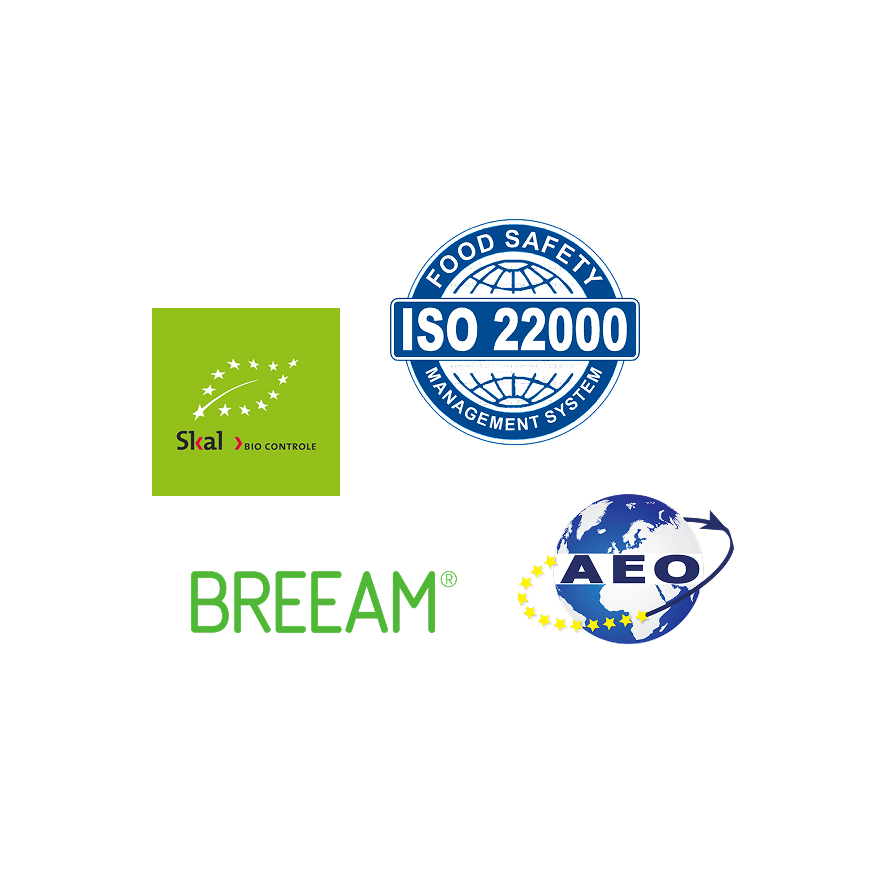

Certification is not a formality
When goods move across borders, regulations are not optional. Customs procedures, excise duties, food safety standards and organic product regulations require formal licenses and strict operational control.
Without the correct authorizations, shipments face delays, financial exposure and compliance risks. We operate with verified certifications that allow us to manage regulated goods and complex customs procedures within one coordinated structure.

Our terms & conditions
Clear guidelines governing our logistics, tariff, and forwarding services.

Our certifications & licenses
Logistics, customs and compliance as one system
Integrated compliance
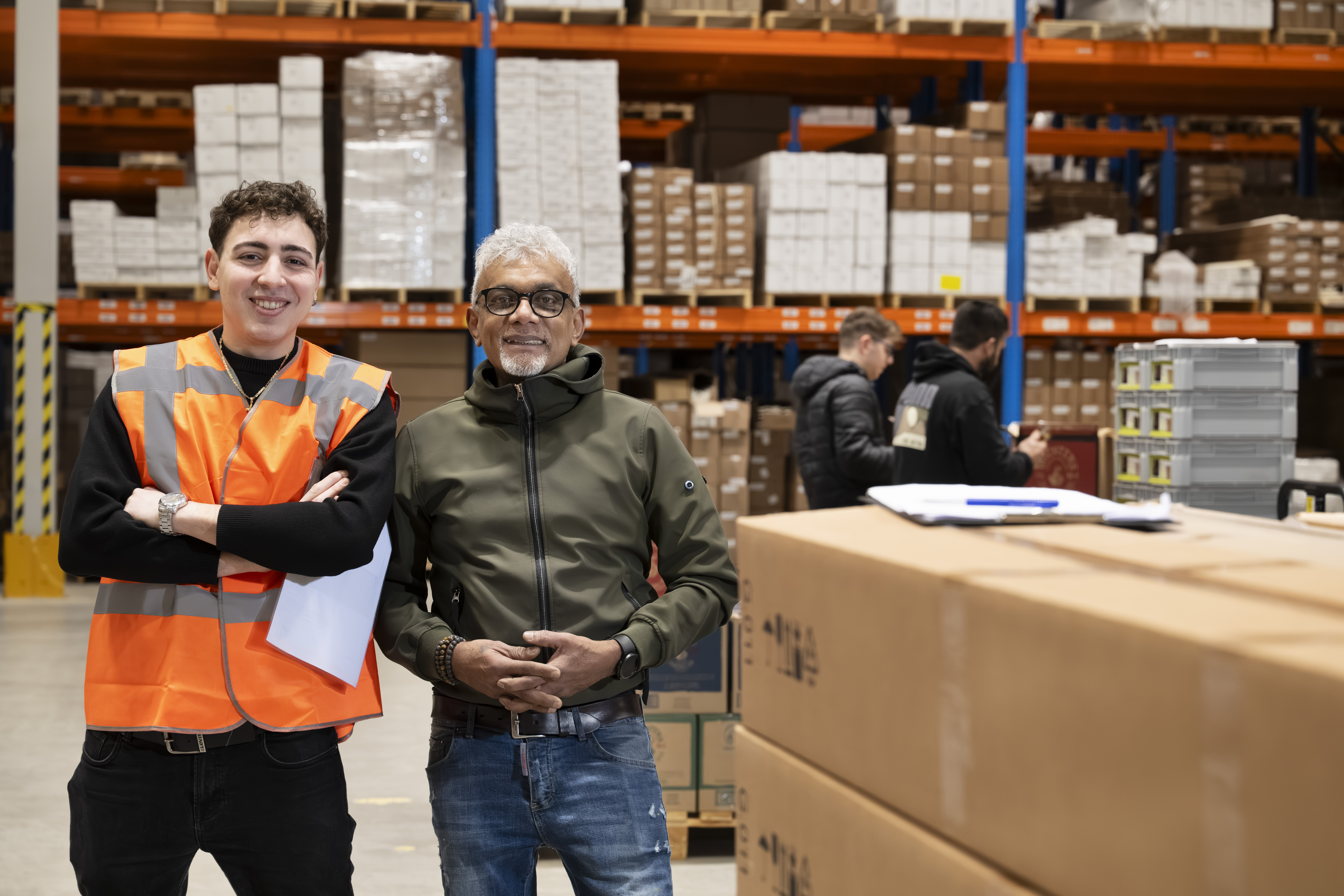
Our certifications and licenses do not operate in isolation. They are integrated into our operational structure. Transport movements (air, road and sea), bonded warehousing, excise status and documentation are aligned within one controlled process. Inventory, reporting and customs supervision run parallel to physical goods flows. Compliance is embedded from arrival to final delivery.
Certified structure, operational control
Formal licenses provide authorization. Operational discipline provides reliability. Our certified structure ensures that regulated goods are stored, documented and distributed according to EU standards. Clients work with one dedicated point of contact who understands the regulatory framework behind their shipments. This is not about displaying certificates. It is about maintaining control within regulated environments.

Our approach to compliance, explained
Practical answers to questions about how we maintain certified, compliant and future-proof operations within European logistics.
How do you remain compliant, now and in the future?
Compliance is not a static status. Regulations evolve, customs procedures are updated and fiscal frameworks change. We actively monitor EU regulatory developments and adjust our internal processes accordingly. This includes reviewing documentation flows, updating reporting structures and maintaining direct communication with relevant authorities when needed. Our certifications require periodic audits and reviews, which means our processes are externally verified on an ongoing basis. Compliance is embedded in daily operations, not managed as a separate checklist.
How do you safeguard compliance when handling organic or food products?
Handling organic or food products involves traceability, separation and controlled procedures. Our SKAL certification confirms compliance with EU organic regulations, while ISO 22000 ensures that food safety risks are managed within a structured management system. These frameworks require documented workflows, monitoring procedures and continuous review. Certified storage is not only about facility conditions. It is about process discipline.
How do you manage excise goods under fiscal suspension?
Excise goods require strict control under EU regulations. Through our AGP license and excise authorizations, goods can remain under duty suspension until formal release. This requires accurate stock administration, clear segregation of goods under different fiscal statuses and timely reporting to authorities. These controls are integrated into our warehouse and customs processes, ensuring that fiscal exposure is managed proactively rather than reactively.