

Food logistics solutions
Controlled distribution for regulated supply chains
Food safety regulations, temperature sensitivity and EU import rules influence food logistics. We structure food logistics, warehousing and customs into one controlled setup.

Temperature, traceability and compliance define food logistics
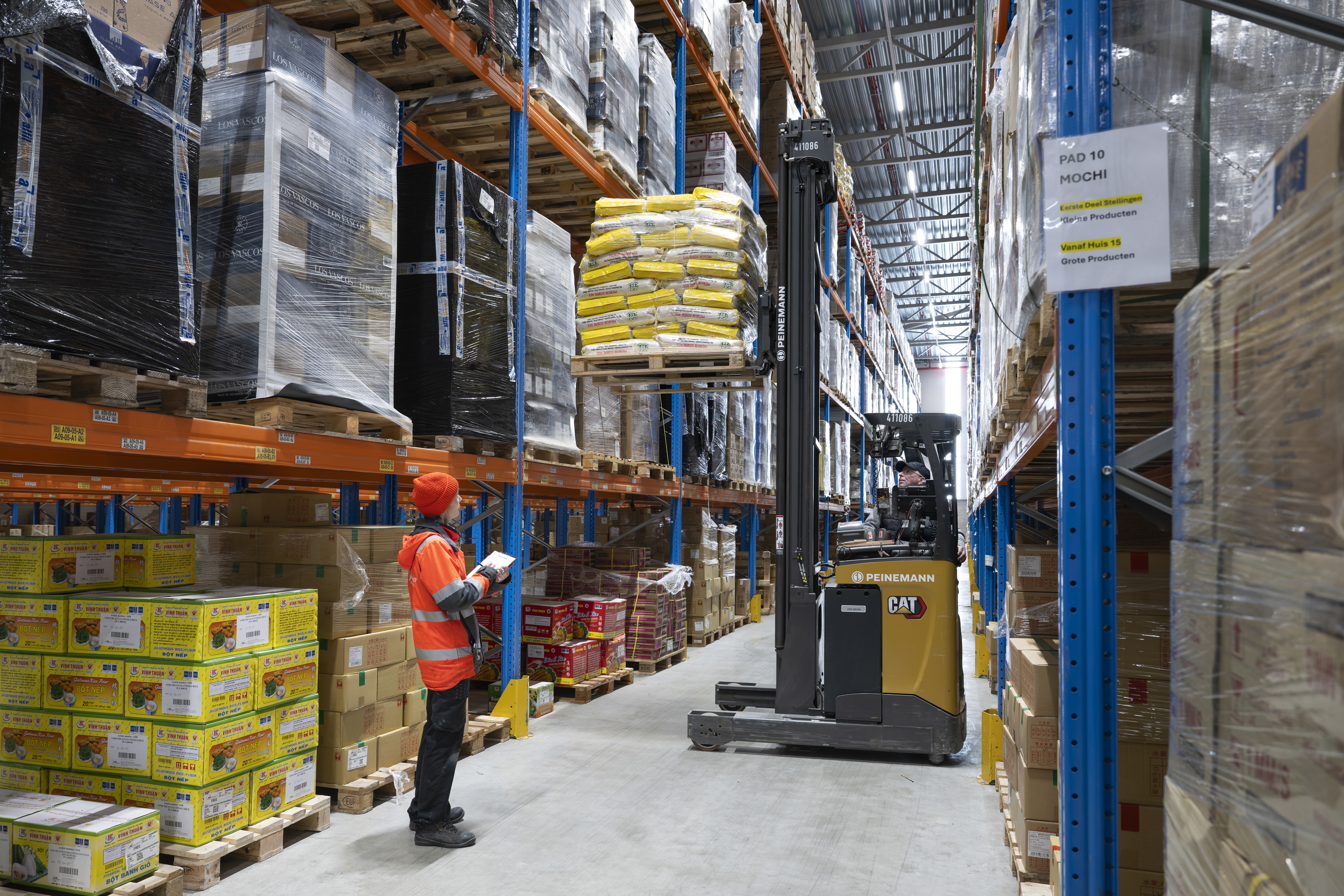
Food & beverages supply chains operate under strict regulation. Products such as chocolate, snacks, baby nutrition, functional drinks and ingredients require controlled storage conditions and documented traceability. For many categories, shelf-life registration and batch monitoring are not commercial preferences but legal obligations.
Cold chain logistics must remain stable from origin to final delivery. A refrigerated shipping container, temperature monitored storage and controlled inbound handling are only effective when documentation, customs status and inventory systems are aligned. When batch tracking, best before date monitoring and EU compliance operate as one integrated system, distribution remains safe, compliant and predictable.

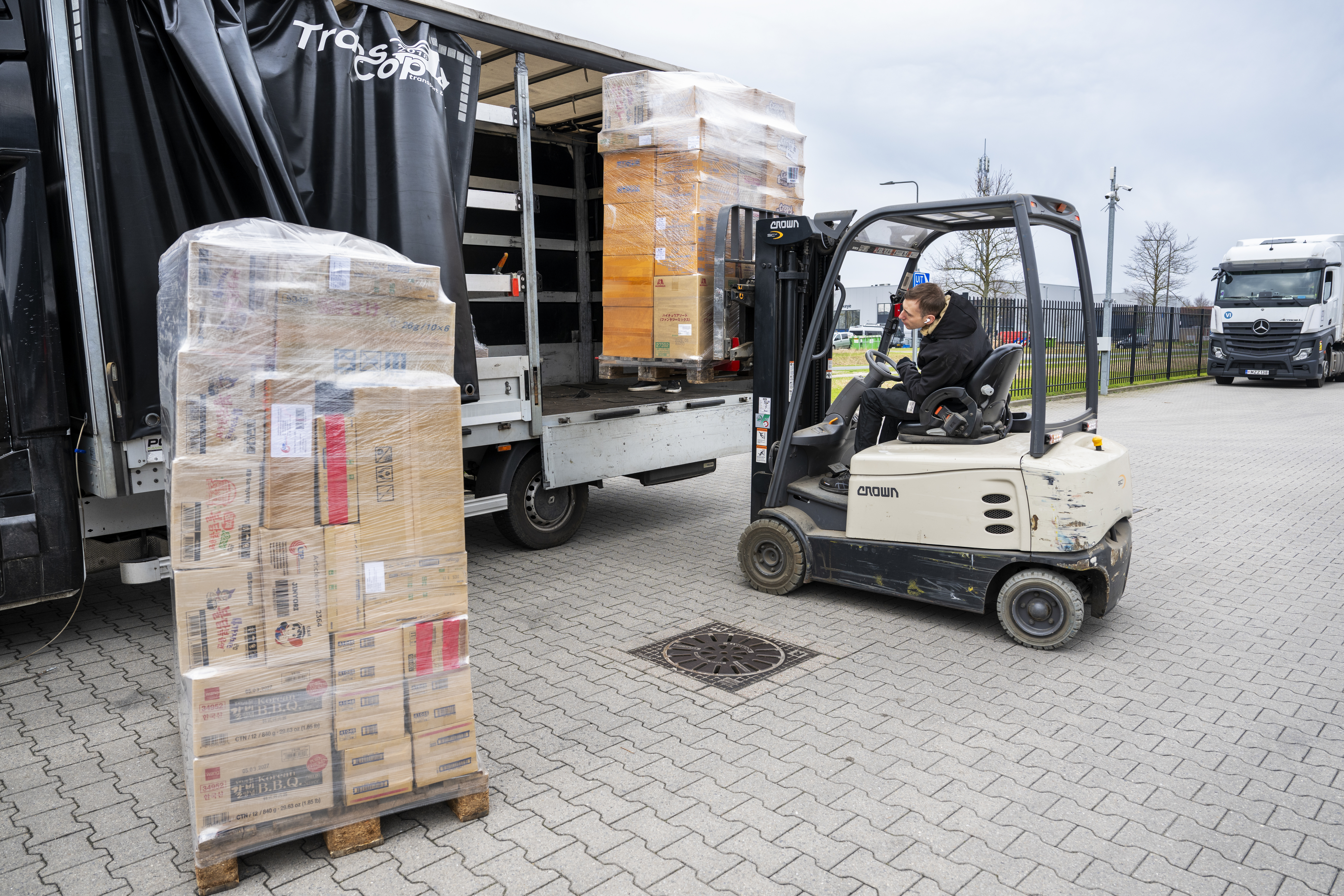


Our solutions for food & beverages supply chains

Control and compliance for regulated food supply chains
- ISO 22000 certified food logistics.
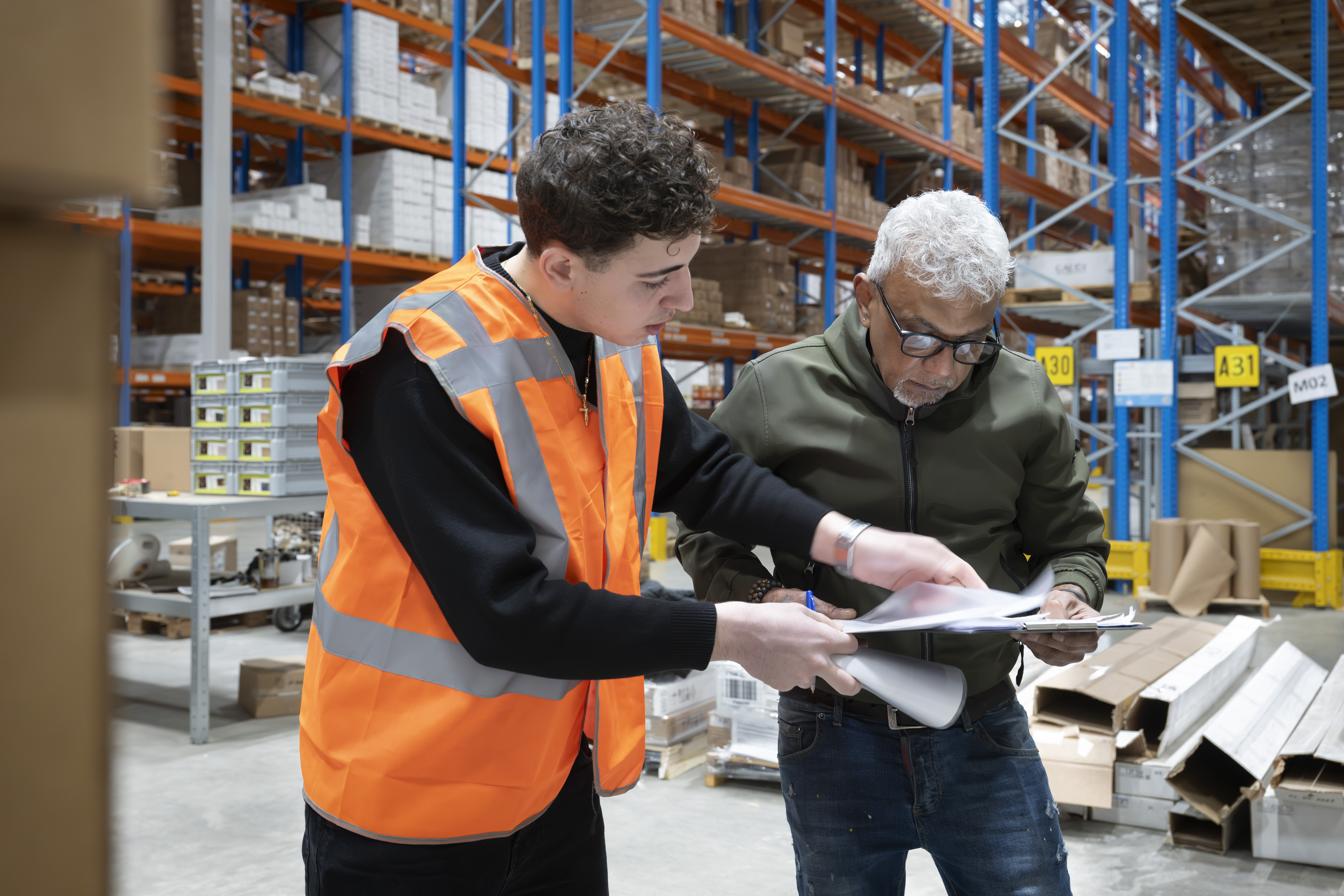
- Batch and BBD traceability within an advanced WMS.
- Integrated cold chain logistics and customs control.
Food logistics requires more than temperature-controlled storage. It requires documented traceability, structured EU entry and alignment between physical handling and regulatory reporting.
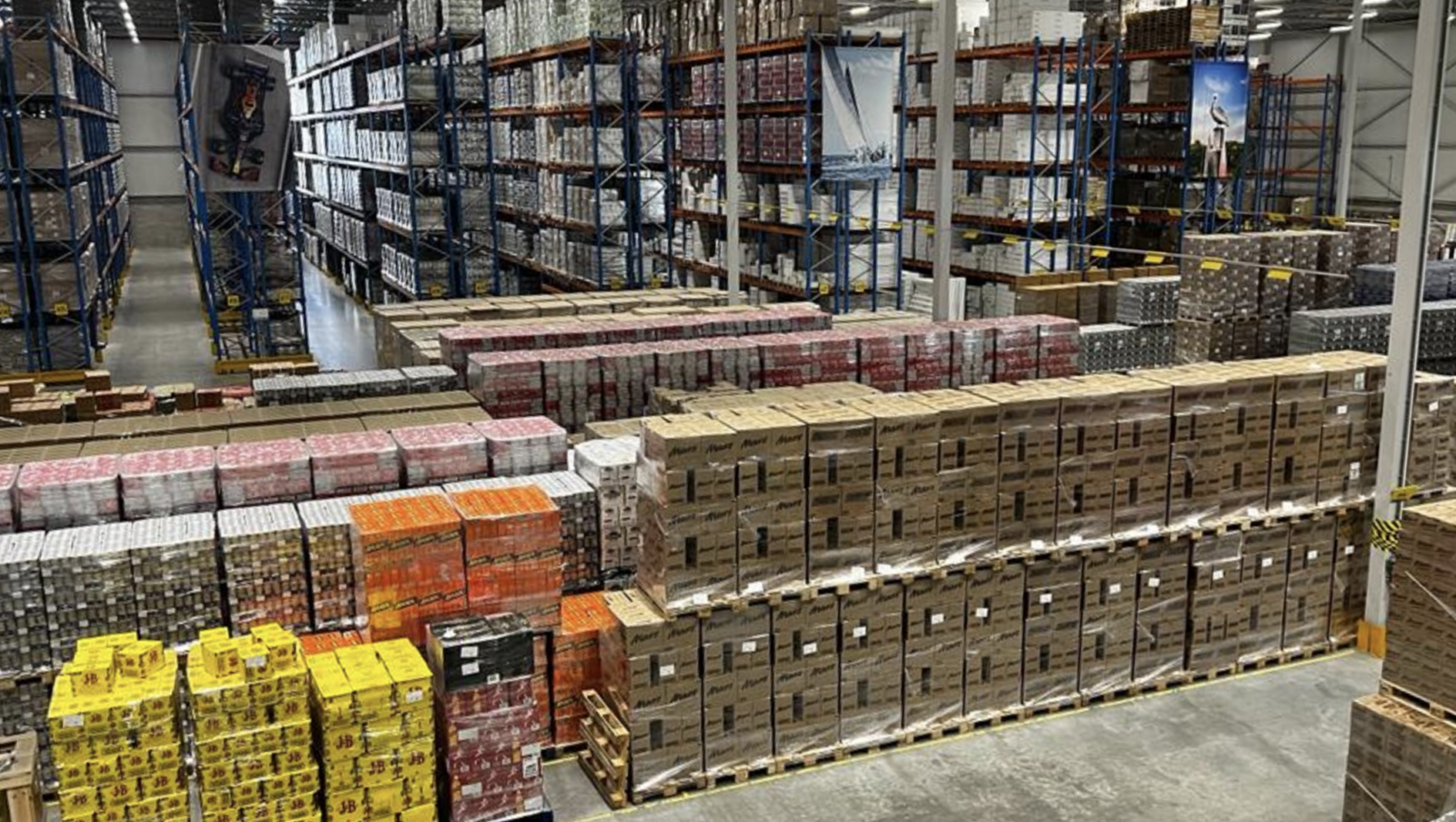
Newcorp structures food logistics as one coordinated system. Temperature controlled logistics, bonded warehousing, customs and fiscal structuring are aligned from supplier to European distribution. With Rotterdam as EU gateway and all required certifications in-house, your food supply chain remains compliant and stable.

Understanding your product and regulatory profile
We assess product category, temperature requirements, shelf-life structure and batch control obligations. EU import procedures, organic certification status and excise exposure are reviewed before goods are shipped.
Designing a compliant structure
Together we define temperature ranges, refrigerated shipping container routing, warehousing configuration and customs setup. Batch tracking and BBD monitoring are integrated into the warehouse management system from the outset.
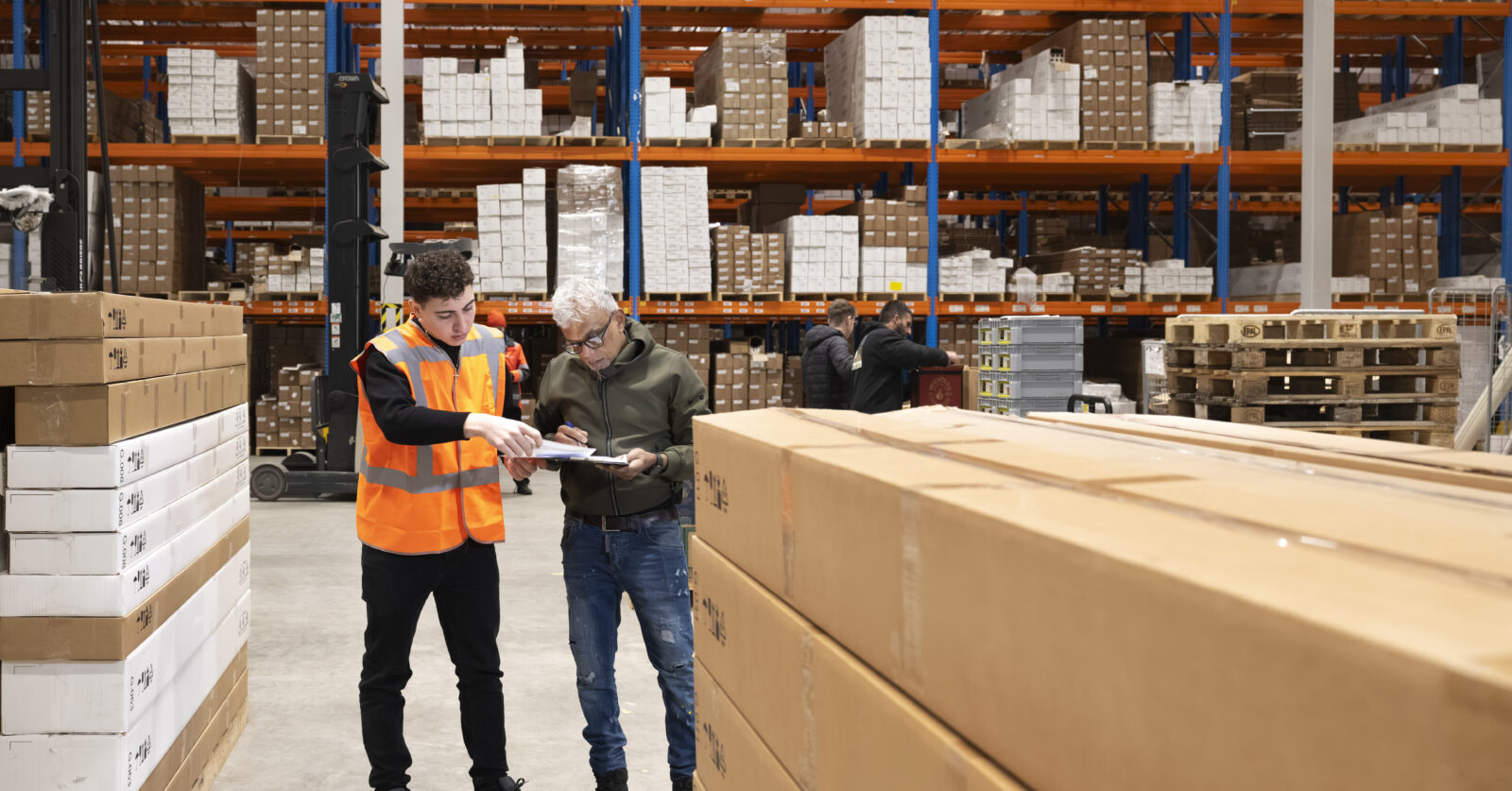
One controlled food chain
Cold chain logistics, customs clearance, storage and distribution are coordinated within one structured process. One dedicated contact maintains oversight across compliance and documentation.

Monitored distribution with full traceability
Shipments move under defined temperature parameters with documented handling at every stage. Inventory remains traceable per batch and shelf life, from EU entry to final distribution.
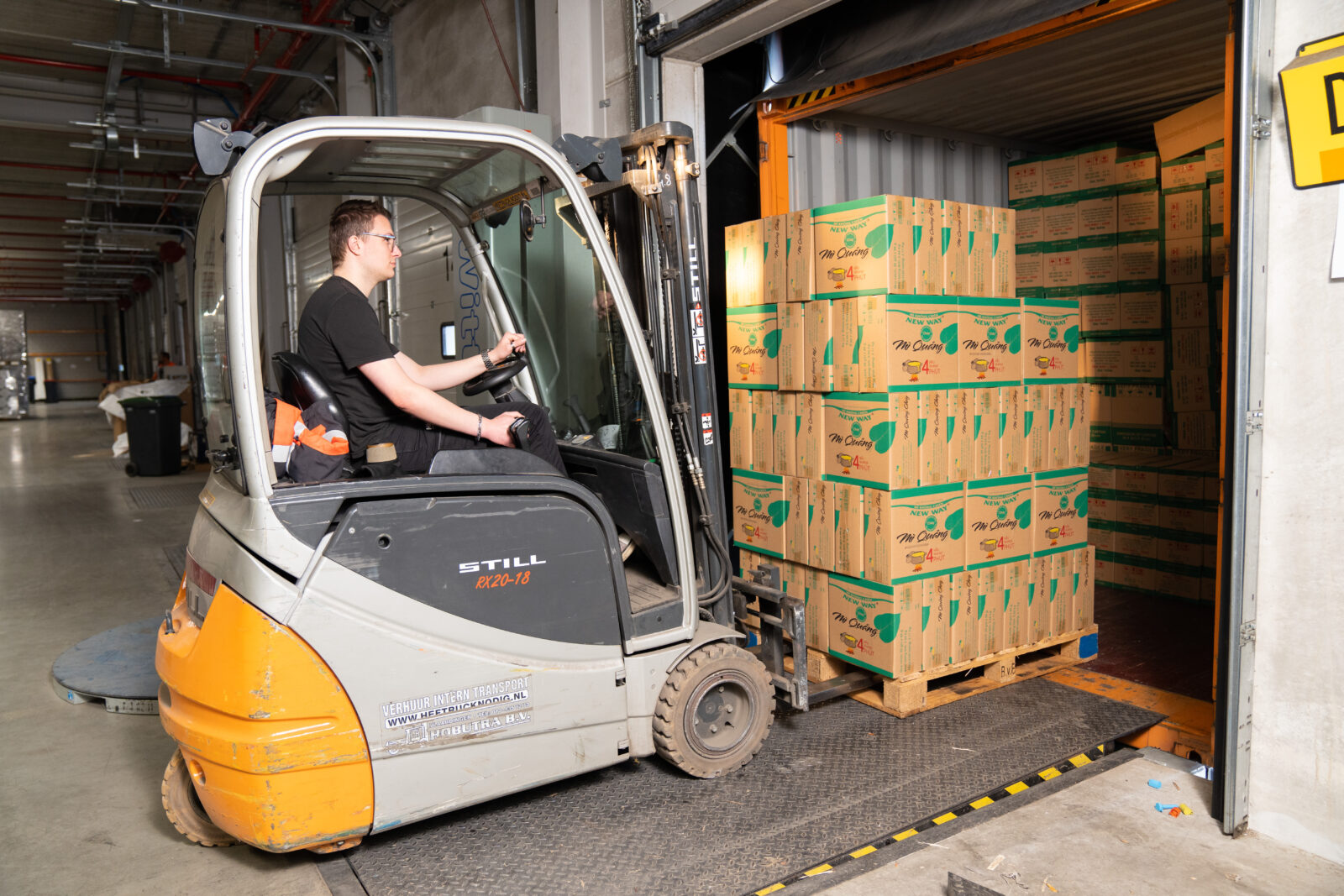
Secure your food supply chain

Review your food logistics with our specialists and identify were compliance, temperature control or setup can be strengthened.
Our food logistics approach, explained
Practical answers to how we structure cold chain logistics, compliance and EU coordination for food & beverages operations.
How do you safeguard temperature sensitive products?
Food logistics begins before arrival in Europe. We coordinate refrigerated shipping container movements, controlled unloading and monitored storage conditions. Temperature parameters are defined in advance and documented throughout handling. Deviations are not corrected after the fact but prevented through structured control.
How do you ensure traceability and shelf-life monitoring?
Our warehouse management system supports batch level tracking and BBD registration. Every inbound shipment is recorded with corresponding documentation and shelf-life data. This ensures traceability for audits, recalls and regulatory inspections.
Are you certified to handle regulated food products?
Yes. Our ISO 22000 certification confirms that food safety management is embedded in our processes. For organic products, SKAL certification ensures compliant handling. For wines and spirits, excise authorizations support structured fiscal management.
How do you manage EU import compliance for food products?
Food imports require alignment between customs documentation, product classification and regulatory status. Our in-house customs team manages clearance procedures and ensures that goods enter the EU under the correct structure, preventing delays or compliance exposure.
Can you support international producers entering the EU market?
Yes. For non-EU food producers, EU entry requires structured customs handling, VAT positioning and often temperature-controlled storage. We assess the correct procedure before shipment departure, ensuring predictable market entry and compliant distribution across member states.
Active in other regulated markets?
See how our certified structure supports temperature sensitive and compliance-driven supply chains.


