

Bonded warehousing in The Netherlands: postponing duties without losing control
You import goods into Europe. The container arrives in Rotterdam. And immediately, import duties and VAT are triggered.
At that moment, you may not even know where the goods will be sold. Part of the shipment might go to Germany, another part to France. Some products may even be re-exported outside the EU.
Yet customs require payment upon entry. For many international companies, this creates unnecessary pressure on cash flow and limits flexibility in their European distribution strategy. This is where bonded warehousing becomes relevant.
Paying duties only when it makes sense
A bonded warehouse, also known as a customs bonded warehouse, allows you to store non-EU goods under customs supervision without immediately paying import duties or VAT.
The goods remain in a customs warehousing regime. Duties are suspended. Import VAT is deferred. You only settle fiscal obligations when the goods are released for free circulation within the EU.
If part of the inventory is re-exported outside Europe, import duties may not be due at all. This structure provides control over timing, liquidity and distribution decisions.
Why Rotterdam matters
When goods enter Europe through the Port of Rotterdam, you are using the largest logistics gateway on the continent.
A customs bonded warehouse in Rotterdam combines physical access to Europe with fiscal flexibility. You can centralize inventory, decide later where goods will move and align customs clearance with actual sales.
For companies outside the EU, especially from the United States or Asia, this setup reduces the risk of paying duties too early or in the wrong structure. Bonded storage in Europe is not only about postponing taxes. It is about structuring your market entry properly.
When bonded storage makes strategic sense
Bonded warehousing becomes particularly valuable if you:
- Import goods but do not sell them immediately.
- Distribute to multiple EU countries from one hub.
- Work with high-value goods where duties impact margins.
- Combine EU sales with re-export outside Europe.
Without bonded warehousing, duties are triggered the moment goods cross the border. With bonded warehousing, you decide when fiscal exposure becomes relevant.
That difference directly impacts working capital and financial planning.
Compliance isn’t optional
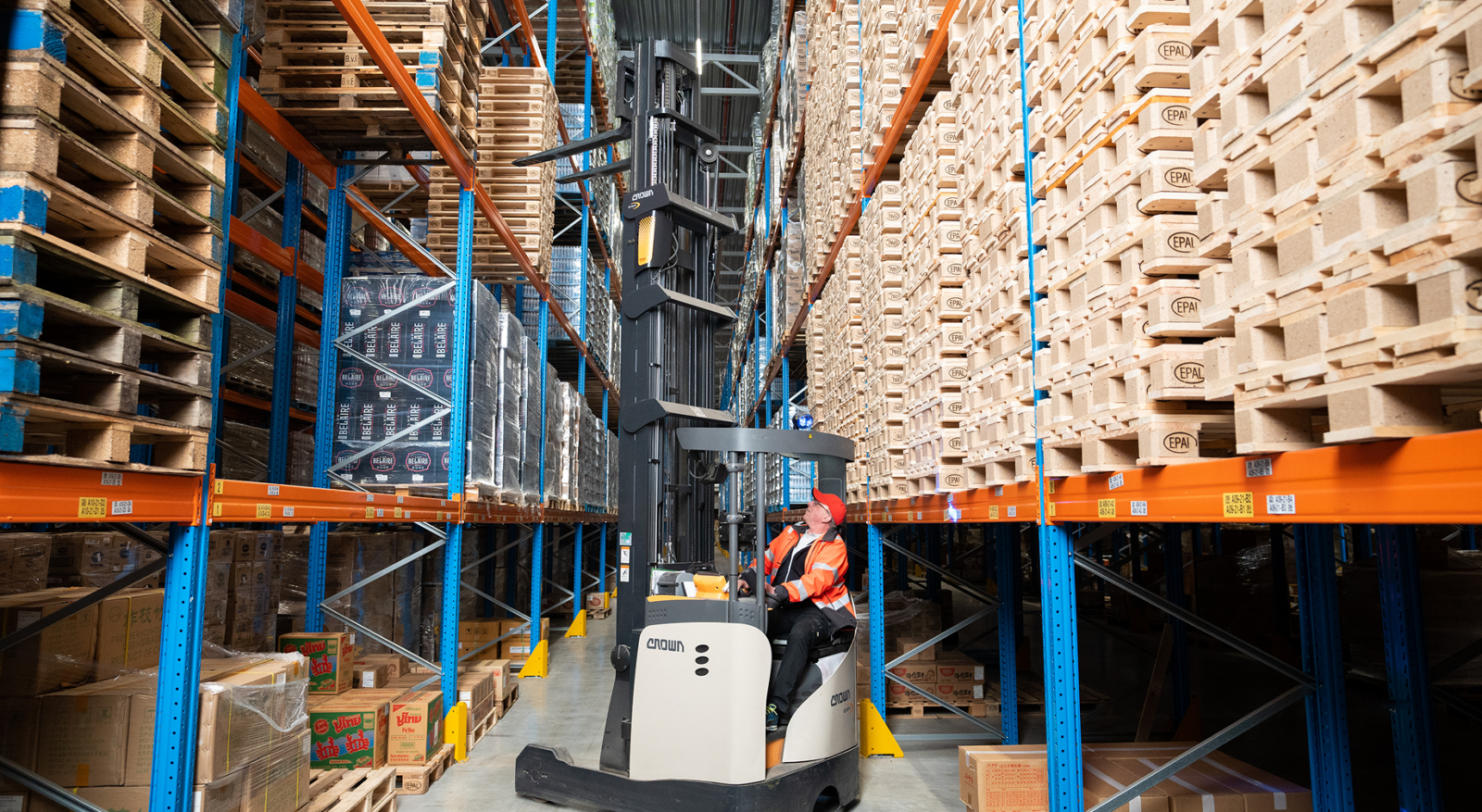
Bonded warehousing operates under strict customs supervision. Inventory must be traceable. Documentation must be accurate. Reporting must be correct. Without structured processes, the financial advantages quickly turn into compliance risks.
That is why bonded warehousing should never stand alone. It must be integrated with customs clearance, VAT structuring and European distribution planning.
At Newcorp Logistics, bonded warehousing in the Netherlands is part of one coordinated system. Customs, fiscal representation, warehousing and distribution (road, air or sea) are managed together, through one point of contact. Because postponing duties only create value when the underlying process is controlled.
Structuring your European entry
Entering the EU market is rarely only a transport question. It is a customs and fiscal decision.
If you import goods into Europe and want to improve liquidity, reduce unnecessary upfront duties and maintain flexibility in your distribution strategy, a bonded warehouse in Rotterdam may be the right solution.
The key is not simply storing goods under customs supervision. The key is structuring the entire process correctly from the moment your goods reach Europe.